
Consulting
Specialist mineral processing consulting
Advanced mineral processing modelling and metallurgical analysis for complex process, equipment and operating problems.
Met Dynamics uses detailed models to understand process behaviour, identify constraints, evaluate alternatives and develop practical recommendations.
Studies range from individual equipment to complete flowsheets. The emphasis is on interpreting why the process responds as it does, which trade-offs matter, and what the results mean for the decision.
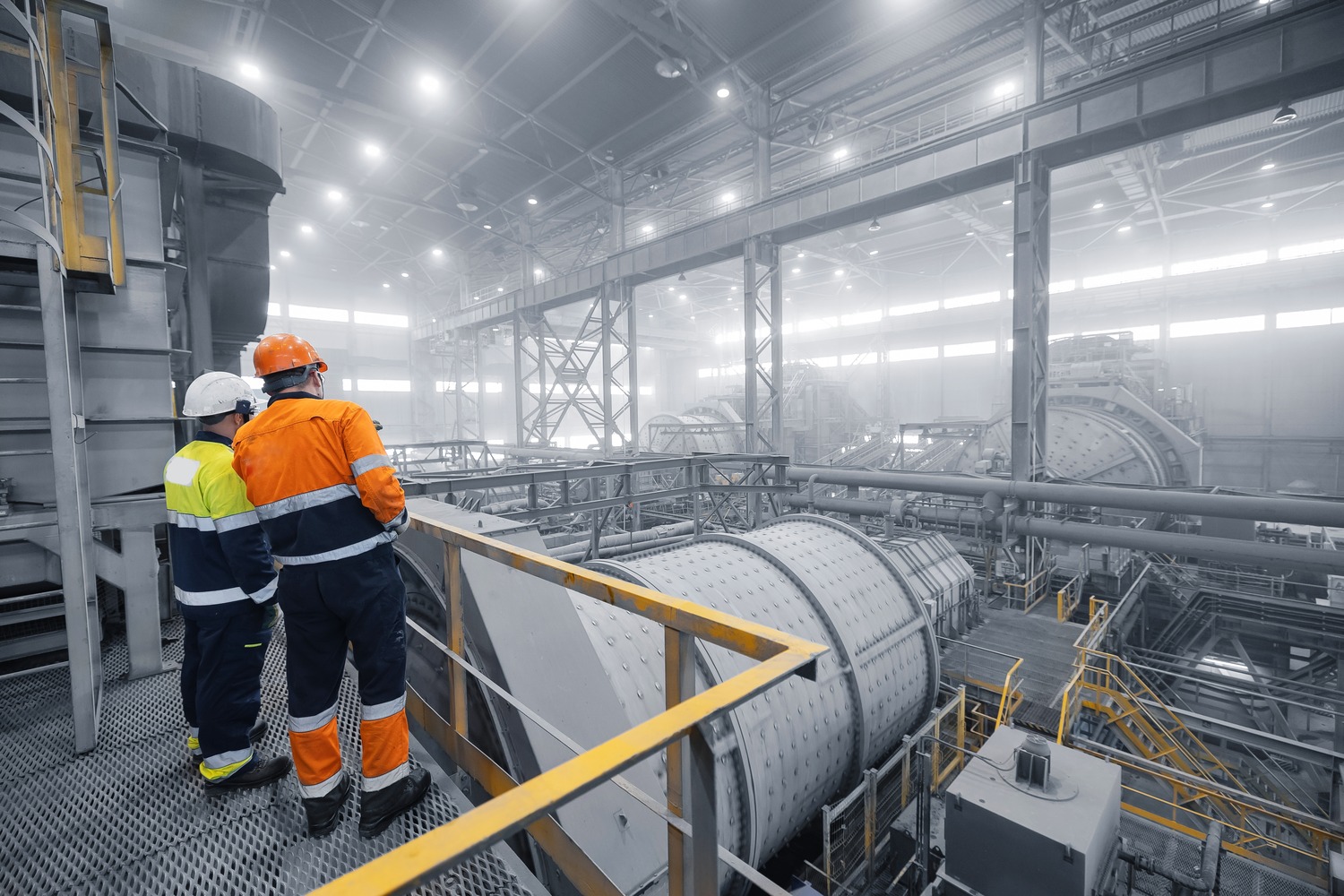
Process performance and design
Design, performance and production studies
Design and equipment evaluation
Compare proposed flowsheets, expansion options and equipment duties under the expected feed and operating conditions. Assess capacity, product size, recovery and energy trade-offs to identify suitable configurations.
Diagnosis and improvement
Use plant information, surveys and calibrated models to investigate why performance is constrained. Assess potential remedies and their upstream and downstream effects to determine where intervention is likely to be effective.
Ore variability, geometallurgy and production
Represent changing ore hardness, grade and metallurgical response across mine plans, ore domains and blends. Follow how that variability propagates through comminution and beneficiation to support ore blending, geometallurgy, mine-to-mill studies and production forecasting.
Study delivery
Interpretation and recommendations
Calibration and model development
Survey reconciliation, parameter fitting and comparison with operating data establish the basis for scenario analysis. The formulation and level of detail are selected for the equipment, available information and decision being investigated.
Where an existing formulation is insufficient, Met Dynamics can develop or extend the model, check its implementation against suitable reference information and incorporate it into the study.
Analysis and reporting
Model results are interpreted to identify the mechanisms, interactions and constraints behind the predicted response. Alternatives are compared in terms of the trade-offs that matter to the process and the decision. We assess which conclusions are supported by the available data.
Technical reports document the modelling basis, assumptions, results, interpretation, conclusions and recommendations. Where a decision depends on unresolved information, we identify the further measurements or testwork needed.
Dynamic and specialist work
Dynamic simulation and specialist equipment modelling
Process and production dynamics
Evaluate residence time and inventory effects, process interactions and control response over shorter time scales, together with material movement, surge, availability, operating interruptions and production over extended periods.
Dynamic simulation capabilityCrusher and crushing circuit studies
Apply the Kinematic Crusher Model to equipment selection, liner evaluation and diagnosis of process or mechanical loading constraints. Extend the assessment to screening, recycle and downstream equipment where circuit interaction is important.
Kinematic Crusher ModelDiscuss a mineral processing study
Contact Met Dynamics to discuss the process question, available information and the level of analysis required.